

HOME REMODELS: HOW TO CREATE A REALISTIC BUDGET AND SUCCESSFULLY NAVIGATE THE PLANNING PROCESS
Steps to take before the project begins
 You’ve been thinking about a remodel of your home for some time now, and you are feeling ready to start this daunting project. There is a lot of preparation involved, and a well-thought out renovation, properly budgeted and planned as meticulously as possible will give you the best outcome.
Here are some tips that will help you have a successful experience.
Have a clearly defined scope:
- Outline specifically what you want to achieve: a kitchen remodel, bathroom remodel, an ADU build, adding a room etc.
- Separate your “must-haves” from your “nice-to-haves”.
- Research your cost ranges by investigating project costs in your area. Labor costs can vary by location, and materials quality and the complexity of your project are also factors that will affect your budget.
- You need to build a contingency fund. It is recommended that you set aside an extra 20% of your total project cost for unexpected issues. These almost always come up, especially in older homes. When you start taking down walls and tearing up floors, unforeseen problems are often discovered, so it’s best to be prepared for this.
- There are a few other hidden costs that you will want to plan for: shipping on materials, you might need temporary housing, extra dining out, to name a few.
- Get itemized bids from at least 3 licensed and reputable general contractors (we have a couple of blogs about how to select the right GC). You want to be able to compare apples-to-apples in regards to materials, labor and permits.
The planning process
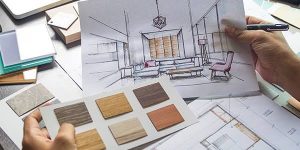 If money is not an issue, you can defer planning decisions to the architect and your general contractor. However, you run the risk of not getting exactly what you want if you largely remove yourself from the planning process. You don’t necessarily have to be knowledgeable about construction to develop an in-depth and good plan for your build. Getting into the weeds of your design will give you more clarity, and you will become more knowledgeable through the process of planning. Get in there and take measurements, watch how-to videos, make a folder where you are collecting your notes, sketches and ideas. Having as detailed a plan as possible, including design drawings, material selections and fixtures, will help you get a more accurate bid from your contractor, with fewer change orders, saving you money.
- Once your plan is set, work with your contractor to create a detailed schedule. Factor in some time for material delays.
- Secure your permits early.
- Document everything by creating a spreadsheet to track spending vs. your budget in real time.
.
Two suggestions to save some money:
- Avoid trendy styles in your choices of tile, wall coverings, floors etc. As a general rule of thumb, if it’s being advertised in design magazines as the “latest hot design”, or it is something featured on the landing page of a design website, it’s probably more expensive.
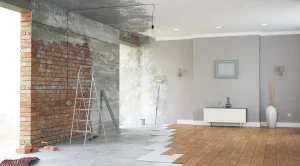 Use simple materials when designing your floors, countertops etc. Wood, for example, is a simple material. While not always the cheapest, it’s durable, and if it gets damaged, you can fix it by sanding and refinishing. You can repurpose wood, and it tends to age well. Wood floors, if properly maintained, can last for decades and even centuries.
Natural stone, terracotta and concrete are also extremely durable and outlast trends, always looking clean and classic. Stainless steel is a great way to go for sinks and countertops and usually looks better with a little bit of wear.
All of these materials might cost a little more upfront, but they age well, don’t go out of style and you can still have them as a part of your home 20 years from now.
- Consider doing some of the work yourself. If you’re not into DIY at all, you probably won’t want to consider this option, but taking on a simpler task yourself could turn into a very satisfying project, while saving you some money. Be sure, however, to be realistic about what you can reasonably accomplish on your own.
The overall takeaway here is that good and thorough planning will give you the best result at the most efficient cost, as with all things in life. Have fun with your next renovation project!

No Comments